RECIPE: How to make bone broth and why you should

RECIPE: How to make bone broth and why you should

a76bd3e43f924bfee74e5ed83408ccfd

Recipe courtesy of Authority Nutrition

Bone broth is made by boiling down animal bones and connective tissue. This nutrient-dense stock is used for soups, sauces and health drinks. All you really need is a large pot, water, vinegar and bones. To get you started here is an easy recipe you can follow:

Ingredients

  • 1 gallon (4 liters) of water – this is an estimate since crockpots are different sizes. I just make sure most of the bones are covered with liquid.
  • 2 tbsp (30 ml) apple cider vinegar – be sure you use one with “the mother” included
  • 2–4 pounds (about 1–2 kg) of animal bones
  • Salt and pepper, to taste

Directions

  1. Place all ingredients in a large pot or slow cooker.
  2. Bring to a boil.
  3. Reduce to a simmer and cook for 12–24 hours. The longer it cooks, the better it will taste and more nutritious it will be.
  4. Allow the broth to cool. Strain it into a large container and discard the solids.

In order to make the most nutritious broth, it is best to use a variety of bones — marrow bones, oxtail, knuckles and feet. You can even mix and match bones in the same batch.

Adding vinegar is important because it helps pull all of the valuable nutrients out of the bones and into the water, which is ultimately what you will be consuming.

You can also add vegetables and herbs and spices to your broth to enhance the flavor.

Common additions include garlic, onion, celery, carrot, parsley and thyme. These can be added right away in step one. I use dried spices mostly, like garlic powder, onion powder, celery powder, parsley, thyme, etc.

Now, why should you make bone broth?

1. It Contains Many Important Vitamins and Minerals

Bowl of Bone Broth

In general, bone broth is very nutritious. However, the nutrient content does depend on the ingredients you use, as each brings something different to the table.

Animal bones are rich in calcium, magnesium, potassium, phosphorus and other trace minerals — the same minerals needed to build and strengthen your own bones. Fish bones also contain iodine, which is essential for healthy thyroid function and metabolism. Connective tissue gives you glucosamine and chondroitin, natural compounds found in cartilage that are known to support joint health. Marrow provides vitamin A, vitamin K2, minerals like zinc, iron, boron, manganese and selenium, as well as omega-3 and omega-6 fatty acids.

All of these animal parts also contain the protein collagen, which turns into gelatin when cooked and yields several important amino acids. As the ingredients simmer, their nutrients are released into the water in a form your body can easily absorb. Many people don’t get enough of these nutrients in their diet, so drinking bone broth is a good way to get more.

Unfortunately, it’s impossible to know the exact amount of each nutrient contained in the broth because every batch of bones is so different.

2. It May Benefit the Digestive System

Scientists have discovered that your overall health depends heavily on the health of your intestinal tract. Not only is bone broth easy to digest, it may also aid in the digestion of other foods.

The gelatin found in bone broth naturally attracts and holds liquids. This is why properly prepared broth congeals in the fridge. Gelatin can also bind to water in your digestive tract, which helps foods move through your gut more easily. It has also been shown to protect and heal the mucosal lining of the digestive tract in rats. It is thought to have the same effect in humans, but more research needs to be done to show its effectiveness. An amino acid in gelatin called glutamine helps maintain the function of the intestinal wall, and has been known to prevent and heal a condition known as “leaky gut”.

Leaky gut is a dangerous condition in which the barrier between your gut and the rest of your body isn’t working properly. Substances that your body doesn’t normally allow through leak into your bloodstream, which leads to inflammation and other problems. For all of these reasons, drinking bone broth may be beneficial for individuals with leaky gut, irritable bowel syndrome (IBS) or irritable bowel disease (IBD), such as ulcerative colitis or Crohn’s disease.

3. It May Help Fight Inflammation

Wooden Spoon and Broth

The amino acids found in bone broth, including glycine and arginine, have strong anti-inflammatory effects. Arginine, in particular, may help fight the inflammation associated with obesity. One study shows higher levels of arginine in the blood are associated with decreased inflammation in obese women. Another study in rats suggests that supplementing with arginine could help fight inflammation in obese individuals, but more research needs to be done in humans to support these results.

While some inflammation is necessary, chronic inflammation may lead to a number of serious diseases. These include heart disease, diabetes, metabolic syndrome, Alzheimer’s disease, arthritis and many types of cancer.

Because of this, it’s important to eat plenty of anti-inflammatory foods.

4. Its Nutrients Have Been Shown to Improve Joint Health

Collagen is the main protein found in bones, tendons and ligaments. During the cooking process, collagen from bones and connective tissue is broken down into another protein called gelatin. Gelatin contains important amino acids that support joint health. It contains proline and glycine, which your body uses to build its own connective tissue. This includes tendons, which connect muscles to bones, and ligaments, which connect bones to each other.

Bone broth also contains glucosamine and chondroitin, which are natural compounds found in cartilage. Multiple studies have found that glucosamine and chondroitin can decrease joint pain and lessen the symptoms of osteoarthritis.

The proteins in bone broth have also proven beneficial for those with rheumatoid arthritis, which is a chronic autoimmune disease that causes painful damage to the tendons and ligaments. In one study, 60 people with rheumatoid arthritis consumed chicken collagen for three months. Symptoms improved significantly in all 60 participants, with four showing complete remission of the disease.

5. It Is Weight Loss Friendly

Black Set of Scales and a Measuring Tape

Bone broth is typically very low in calories, but can still satisfy hunger. Studies have found that eating broth-based soup on a regular basis can increase fullness, reduce calorie intake and lead to weight loss over time.

What’s more, bone broth contains gelatin, which has specifically been shown to promote feelings of fullness. One study found that gelatin was more effective at reducing hunger than the protein casein, which is found in dairy products. Another study in 53 men found that, when combined with resistance training, collagen helped increase muscle mass and decrease body fat.

6. It May Improve Sleep and Brain Function

The amino acid glycine, found in bone broth, may help you relax. Multiple studies have found that glycine helps promote sleep. One study found that taking 3 grams of glycine before bed significantly improved the quality of sleep in individuals who have difficulty sleeping. Taking glycine before bed helped participants fall asleep faster, maintain a deeper sleep and wake up fewer times throughout the night. This study also found that glycine reduced daytime sleepiness and improved mental function and memory.


40202_44

STORIES FROM OTHERS: What’s it like to live with a spoonie parent?

STORIES FROM OTHERS: What’s it like to live with a spoonie parent?

NOTE: This interview was taken from Spoon Serendipity. I thought the sentiments were really nice and made me feel a little less guilty about how I parent my own daughter.

If you asked me what the hardest thing to deal with when my mama is in a flare up or having a hard time it would be that I feel helpless. It’s something she has to live with and I can’t do anything about it. I wish I could help more than I do but I try my best to be there for her and make things easier.
It’s not like every day is a hard day or a bad day. We have had amazing memories made and been able to go do some really cool stuff together. I think I enjoy little moments more and know how to treasure time when those little moments happen. It’s all about perspective. Seeing things differently is something I try to do but it’s not always easy.
Would I change anything about the way it is? No, I would not. Everything happens for some kind of reason. I think this has brought us closer together and formed a strong bond between us. It’s taught me a lot and made me more aware of the fact that so many people suffer from chronic illnesses and you sometimes don’t even know. You really just never know what someone is struggling with so always be kind. You could probably go to any city and walk past some people on a sidewalk and you wouldn’t even know they are sick. Not every disability looks the same and are not always obvious at first glance.
Do I ever feel sad, angry or resentful when my mama can’t do things that other moms can do? No, not really. I understand how hard it is for her and I just want her to be comfortable. I’m not into all of the same things other kids my age are so I don’t feel like I’m ever missing that much anyways and besides, I really enjoy just hanging out with my mama- watching movies, reading, or even doing different things in the same room.
I try to make things easier for her by: just being there for her, helping with daily chores (even ones I wasn’t asked to do, sometimes!) and just letting her know that she isn’t alone in this and I love her.
To other kids with parents who are Spoonies, just remember that your parent loves you. It probably hurts their feelings more than it hurts yours when there is something that they cannot do for you or with you. Try to remember to be thankful that you have them in your life and that you are a family that has to fight together not against each other.
That kid is pretty amazing, huh? I did a similar interview with my daughter several months ago. Here’s the link.
How do your children feel about your illness? Tell me in the comments!
41074_69

DISEASE MANAGEMENT: Tips for making grocery shopping easier

DISEASE MANAGEMENT: Tips for making grocery shopping easier

grocery-tips-for-the-chronically-ill

Courtesy of Grace is Sufficient

Who loathes errands like grocery shopping? *spoonie hands fly up* Yep, me too. But there are things you can do to mitigate the negative effects that might come with performing this necessary task.

1. Before you even leave make sure you have enough energy. If necessary, divide the list up into a couple little trips. You know what’s best for your situation, and don’t let anyone else tell you what you “should” do.

2. Try to park near the same spot each time. That way you’ll always know where your car is! And if possible park near a cart corral so it’s easy to drop it off when you’re done.

3. Pick a day that isn’t as crowded. Tuesdays and Wednesdays are better in my area. If you’re not sure what days are less crowded you can always ask an employee. They’ll probably be happy to tell you since it means they don’t have to deal with as many customers at busier times.

4. Always grab a cart instead of those little baskets. Even if you’re running in for three little items the odds are you’ll pass the water or juice and remember you’re running low. Now you’re left trying to lug those heavy extras around with you. Also, the cart is great to help keep your balance and offer a bit more support while walking.

5. If necessary you can get the motorized carts and take them for a drive! Remember you have to get these items in the house and put away once you’re done. A motor cart can help you conserve some energy! Don’t worry what others think – you might feel self-conscious behind the wheel the first few trips, but if anyone says something rude simply tell them, “I have an illness. You can’t see it, but I feel it. Thanks for the concern, though!” Oftentimes a response like that catches those nosy Nellies off-guard and their mouths will be hanging open as you zoom away.

6. Go against the extreme couponers and be brand specific. If I’m looking at 75 bottles of shampoo I’m not going to be able to focus and I’ll get overwhelmed. I find a brand I like and keep buying it. Believe it or not, this also makes couponing easier because you’ll only have to clip the coupons for the products you’ve chosen and it will minimize your coupon work!

7. Use a list that places the items in order according to the aisles at your store. You can make an Excel spreadsheet by store row, adding the products you use most to the template and leaving room for additions. You can even make a notes area for each store row in case there’s a buy one, get one promotion, you have a coupon, etc.

8. Use an easy coupon keeper. I organize mine by aisle number to match with my grocery list. This way when I’m in an aisle and notice a sale I just go to that aisle pocket and check for a coupon to match.

9. Bring a helper if you can. That way if you’re getting too tired to even let go of the cart you’ll have an extra set of arms to grab what you need. They also come in handy if you happen to remember you forgot to put sour cream on your list and it’s eight aisles back! Thank them with a slushee or something – that way they’ll be willing to help again sometime!

10. If you do get sick and just can’t continue don’t beat yourself up. If you see an employee, let them know that you’re sick and have to leave. They’d rather be notified so they can put away the frozen food instead of happening upon a full cart with thawed items that now need trashed. You might even be able to leave the cart there and have someone come get the items for you, especially if you can pay for everything before you leave. Don’t overdo it trying to make things easier on others, but if your groceries are paid for, the store can put the cart somewhere until another person comes to pick them up.

11. Try to arrange items on the conveyor belt according to where they go in the house. That way all the body wash and shampoo are in the same bags so you can just carry that bag to the bathroom. This also helps once you get home. If you’re running on empty by the time you arrive at your house, you can choose to leave things in the car until you gather a bit of strength or till another family member or friend arrives and can grab it for you, since you know you’re not leaving perishables in the car. I don’t remember the last time I carried bottled water, Snapple, etc into the house.

12. Most stores will call someone over to help you get your items to the car if you need the help. Don’t be afraid to ask. If you’ve used a motor cart and the store doesn’t allow them to leave the building you can ask the bagger if they’ll grab a cart so you can load the groceries in there to take out to your car. If you need to use the motor cart all the way out to the car let the cashier or bagger know that you have no greater desire at that moment than to follow their rule but you don’t have the strength to walk that far. Leave the option to them. They can let you take the motor cart or carry you.


The upshot? Organization, planning, and not being afraid to ask for help are the keys to getting through tasks like this. And hey, if your local store delivers or allows you to shop online, even better! There are services out there to assist – use them!

41064_9

RECIPE: Natural bleach alternative

RECIPE: Natural bleach alternative

610a55aad34a7aa09acd61c389c365de

Recipe courtesy of Don’t Waste the Crumbs

I think we can all agree bleach isn’t the best cleaning solution out there. You can’t eat it, it smells awful and it’s dangerous for kids. But are there good alternatives out there? You bet! And that’s what I’m going to tell you about in this post.

This recipe is totally easy-peasy, which I think we all appreciate given our time and energy.

Supplies

  • 3/4 cup 3% hydrogen peroxide
  • 1/4 cup lemon juice
  • 10-15 drops lemon essential oil
  • 3/4 cup baking soda
  • 7 cups water

Method

Combine all ingredients in a container capable of holding 1/2 gallon or more. Shake well.

Use 1 cup per load, washing with hottest water setting available.

Some other recipes call for equal parts hydrogen peroxide and lemon juice, but I thought that was a bit expensive with so much lemon juice. The 3:1 ratio is enough to get the job done, and keep costs down.

Hydrogen peroxide should be kept in a cool, dark place and preferably in a dark bottle. I used an old water jug for this solution, labeled it appropriately and keep it stored in the garage where it’s normally dark anyway. Plus that’s where our washer and dryer is.

The water you add can be plain tap water. No need to use filtered water when it’s only going to be combined with tap water in the washer anyway.

Here’s a cost breakdown. How can you beat this?

  • hydrogen peroxide: $0.07
  • lemon juice: $0.18
  • lemon essential oil: $0.38 (this is the only ingredient that’s hard to find at a discount store, so I’ve given you another resource)
  • baking soda: $0.21

Total cost for 1/2 gallon all-natural homemade bleach alternative is just 84¢!

Store-bought bleach at most warehouse stores costs around 3¢ per ounce, but the homemade version costs just 1¢ per ounce – and you’re not getting the harmful chemicals!

To get the best deal possible, aim for less than $1 for a 32oz bottle of hydrogen peroxide and buy baking soda and lemon juice in bulk at a warehouse store.

If you try this recipe out and have any changes or tips, let me know in the comments!

essential oil 300x250-v1

RESOURCES: TOP 6 RESTLESS LEG SYNDROME HOME REMEDIES

RESOURCES: TOP 6 RESTLESS LEG SYNDROME HOME REMEDIES

46fc9a0458fcf16b9e970282c693f2c4

One of the most common things associated with many chronic illnesses is a magnesium deficiency. And what’s one of the most common effects of having a magnesium deficiency? Restless Leg Syndrome, or RLS. We chronic illness warriors just can’t win, can we?

I’m here to tell you, we can win. But how?

THE TOP 6 RESTLESS LEG SYNDROME HOME REMEDIES

1. Exercise

Exercise increases dopamine in the body. The more appropriately balanced your dopamine levels are the better you can manage RLS. You can go hiking, take long walks, go swimming, go biking, or do any other exercise that really gets your legs pumping.

2. Diet

Eating a diet high in processed foods and sugar can severely overburden your liver. The excess toxins from such a diet can allow excess estrogen and other hormones to recirculate into the blood stream. Excess estrogen depletes magnesium.

3. Up Your Magnesium

This one is so easy to do and I bet it will make a HUGE difference in just a few days. Here are some of my favorite ways to make sure I get enough magnesium.

Natural Vitality Natural Calm Magnesium Anti Stress, Organic, Raspberry Lemon, 16 oz

Ancient Minerals Magnesium Oil – 8 oz.

Dr Teals Pure Epsom Salt Soaking Solution, Detoxify & Energize with Ginger & Clay, 3 Pound Bag

Epsoak Epsom Salt Magnesium Sulfate USP, 19.75lbs Bulk Bag

The magnesium oils work especially well when sprayed on the bottoms of the feet before bedtime. Never underestimate the power of magnesium! Try this remedy if nothing else.

4. Up Your B-Vitamins

High quality B-vitamin will never go amiss in this day and age. Even people who eat meat can get deficiencies in B-vitamins especially B12. Check out my favorite products below.

Natrol Vitamin B12 Fast Dissolve Nutritional Supplements, Strawberry, 5000 mcg, 100 Count

Best Tasting Methylcobalamin Vitamin B12 Liquid Drops by Detroit Vitamin, 59ml Sublingual B12

5. Up Your Iron

I’m not so much a fan of taking straight iron due to its tendency to cause constipation. I am however a huge fan of food based iron sources.

Foods rich in iron include:

  • Red meat, pork and poultry
  • Seafood
  • Beans
  • Dark green leafy vegetables, such as spinach
  • Dried fruit, such as raisins and apricots
  • Iron-fortified cereals, breads and pastas
  • Peas

Your body absorbs more iron from meat than it does from other sources. If you choose to not eat meat, you may need to increase your intake of iron-rich, plant-based foods to absorb the same amount of iron as does someone who eats meat.

Choose foods containing vitamin C to enhance iron absorption

You can enhance your body’s absorption of iron by drinking citrus juice or eating other foods rich in vitamin C at the same time that you eat high-iron foods. Vitamin C in citrus juices, like orange juice, helps your body to better absorb dietary iron.

Vitamin C is also found in:

  • Broccoli
  • Grapefruit
  • Kiwi
  • Leafy greens
  • Melons
  • Oranges
  • Peppers
  • Strawberries
  • Tangerines

6. Take Relaxing Herbs

Believe it or not taking strong sleep inducing herbs like valerian can actually increase RLS symptoms. However, there are a few herbs that are well suited to relieving RLS symptoms like:

Chamomile (can be in essential oil or tea form)

St John’s Wort (check if this is safe if you take an antidepressant)

Melatonin


I hope some of you try these remedies if you’re having trouble sleeping due to RLS. Please do let me know how your results turn out!

42068_6


GO NATURAL: How to Balance Your pH to Heal Your Body

GO NATURAL: How to Balance Your pH to Heal Your Body

2aeaa4f9e49d6e351574729303b9dfa4

Information courtesy of MindBodyGreen

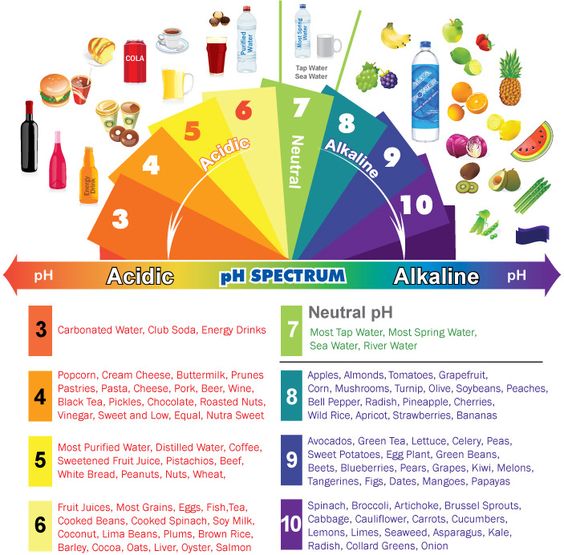
One of the things I keep hearing about regarding chronic illness is how necessary it is to balance your pH. But why? I did some research, and here’s what I found:

1. Digestive System – Most digestive disorders, such as indigestion, nausea, bloating, gastric reflux, are symptoms caused by excess acid in the gastric region and not enough alkaline minerals in the intestinal tract. If the alkaline minerals from enzyme rich foods are missing then the pancreas will become exhausted, and once the pancreas is exhausted, it loses the ability to decode the food and tell the body what to do with it. This will lead to a degenerative spiral of entropy where organs become confused and inflamed.

2. Circulatory System – Acidity is the principal cause of heart disease. It is well established that many fats are extremely important and essential for cardiovascular health. Good fats can actually help heal the inflammation that underlies arteriosclerosis. When the arteries thicken with plague it is not as a response to good fats, it is inflammation created by the internal acidic environment. The body responds to the acidity by lining the vessels with fatty plaques to prevent life-threatening leaks, which arrest imminent death, but strain the heart because the aperture for the blood to flow through is narrower. When the heart becomes completely exhausted, this is known as a heart attack.

3. Immune System – Acidic environments are breeding grounds for anaerobic pathogens whereas the high levels hydrogen of rich body fluids keep bad bacteria inactive. As the great scientist, Antoine Béchamp famously observed ‘The germ is nothing, the terrain is everything.’ Whether bad bacteria and pathogens incubate or remain dormant, all depends on the ratio of cellular pH. The germ theory is a narrow view that has been adopted by the current medical establishment, which conveniently relies on a profitable cut, burn, and poison approach to sickness. Surgery, radiation, and pharmaceutical drugs are an invasive approach that is ineffective because they works against the body’s natural functions to heal itself, and it fails to address the underlying cause and only treats the symptoms.

4. Respiratory System – When the tissues and organs are overloaded by acidity the transport of oxygen is strangled. This suffocation means the cells cannot breathe properly. Every cell in our body needs to breathe new oxygen and to clear acidic carbon dioxide to function correctly. When the ratio of acidity is too high then wastes in the form of mucus and infections and viruses build up in our lungs, which leads to colds, bronchitis, asthma, etc.

5. Skeletal System – Arthritis is one of the most disabling diseases in developed countries. The word arthritis means “inflammation of the joint” and is used to describe pain, stiffness, and swelling in the joints. The two main form of arthritis are Rheumatoid and Osteoarthritis. Both forms are related to pH imbalance and accumulation of acid deposits in the joints and wrists. It is this accumulated acid that damages cartilage. When the cells that produce the lubricating synovial fluids and bursa fluids are acidic, this condition causes a dryness that irritates and swells the joints. When uric acid builds up it tends to deposit in the form of crystals, like broken glass in the feet, hands, knees and back.

6. Integumentary System – Commonly know as the skin. When the body’s pH is out of balance then the buildup of acid causes inflammation and the skin is less able to function as a natural barrier against infection. As a result, the skin tends to develop lesions and sores open to the surface of the body, and the formation of skin eruptions occur like pimples or rashes.

7. Nervous System – Acidity weakens the nervous system by depriving it of energy. This is also known as ‘devitalizing’ or ‘enervation’. It makes the physical, mental, and emotional body weak.

8. Excretory System – This is also known as the urinary system. It is made up of multiple organs, the main one being the kidneys. The kidneys perform the task of filtering fluids and purifying our blood. If the body is overwhelmed by excess acids, compensatory mechanisms spring into action, one of them is the pulling of alkaline minerals from your bones and dumping them in the blood. If this occurs frequently enough, the minerals build up in the kidneys in the form of painful kidney stones.

9. Muscular System – When acidity increases in the muscle cells, it disrupts the metabolism breakdown of glucose and oxygen to energy. This means muscles perform poorly in an acidic environment. An alkaline system on the other hand allows for much better aerobic metabolism and energy for the body’s recovery from strenuous exercise. I can often observe when someone is acidic from their breathing because they take large gulping inhales while doing the simplest tasks like walking and talking, which suggests their body finds it difficult to adequately deliver oxygen into the cells – a symptom of acidosis.

10. Reproductive System – Still much research is being done to discover the exact link between sexual dysfunction and acidity and also infertility and acidity.

There are many more diseases and disorders that are associated with an acidic condition – cataracts, osteoporosis, gout, cancer, migraines, constipation, morning sickness, stroke, allergies, diabetes, obesity, etc. With this awareness of how acidity affects us, we can all choose to make informed and empowered healthy decisions for wellness.

Now, you might be wondering how these items relate to chronic illness. I think it mostly comes down to inflammation, and how it can exacerbate any chronic illness, but since I’m not a doctor, that might be oversimplifying matters. In any case, keeping your pH in balance seems to be an important part of battling any chronic illness.

I use strips to test my pH level. They can be found here if you’re interested.

affiliate_300_x_250_139f01c5-7c25-4641-915f-8337a1ff6595

RECIPE: SLOW COOKER ASIAN CHICKEN LETTUCE WRAPS

RECIPE: SLOW COOKER ASIAN CHICKEN LETTUCE WRAPS

SlowCookerAsianChickenLettuceWraps-1-copy

Recipe courtesy of Comfort of Cooking

YIELD: Makes 4-5 servings

INGREDIENTS:

1 pound ground chicken

1 red bell pepper, cored and chopped fine

1/2 yellow onion, finely chopped

2 garlic cloves, minced

1/2 cup hoisin sauce

2 Tablespoons soy sauce

1/2 teaspoon freshly ground ginger

1/4 teaspoon kosher salt

1/8 teaspoon freshly cracked pepper

4 oz. sliced water chestnuts, finely chopped

1 cup cooked rice (I used brown) NOTE: this ingredient can be exchanged for something else if you’re Paleo, grain free, etc.

3 scallions, thinly sliced

1 head Bibb, Romaine or iceberg lettuce, rinsed and patted dry

Sriracha hot sauce, for drizzling, optional

DIRECTIONS:

Microwave ground chicken in a medium bowl, stirring occasionally, until chicken is no longer pink, 3-5 minutes. Drain off liquid and transfer mixture to slow cooker. Crumble chicken with a wooden spoon and stir in bell pepper, onion, garlic, hoisin sauce, soy sauce, ginger, 1/4 teaspoon salt and 1/8 teaspoon black pepper. Cover and cook on low until chicken is tender, 1 1/2 to 2 hours.

Stir in water chestnuts, rice and scallions. Let sit until heated through, about 5 minutes. Serve with lettuce leaves and Sriracha hot sauce, if desired.

42099_29

DISEASE MANAGEMENT: Being your own advocate

DISEASE MANAGEMENT: Being your own advocate

We all know how difficult it can be to deal with the myriad doctors it’s necessary to see when dealing with a chronic illness. Some will be at least good, some may be clueless. But unless you can doctor-hop, you need to figure out how to partner with them to your best advantage. Below I’ll outline some strategies I’ve heard about or used. I hope they help!

  1. Be honest about your medical condition: Symptoms, things that make those symptoms better or worse, what you’re doing to help yourself, etc. Even if talking about these things is embarrassing, it’s crucial that your doctors have all the facts.
  2. Write down questions before you go so nothing is forgotten: Inevitably, especially with how busy most healthcare providers are, they won’t have enough time to sit around while you fumble around in your brain fogged state trying to remember what you wanted to ask them about.
  3. Thoroughness on your part is important: You might think something is of no consequence, but it could be important to your doctor. Don’t leave anything out when describing your disease and your life.
  4. Educate yourself: Most doctors do their best to be informed about your disease, but you may very well know more about it than they do. Don’t be discouraged by this. Doctors don’t live with your disease 24/7 like you do. So understand your own disease so you can be a partner with your healthcare team.
  5. Don’t settle for whatever the doctor tells you: They might be wrong. If something they’re telling you just doesn’t seem right or if your gut can’t let go of that bad feeling we’ve all had, don’t ignore your concerns.
  6. Challenge your doctors: Some may become offended, and if they do, it might be time to change providers. Most will be grateful that you’re an informed patient, and when you ask questions or make suggestions, your doctor might be willing to entertain different ideas.
  7. Figure out who’s the most supportive person on your healthcare team: Inevitably, one or two doctors, nurses, or other providers will “get it”, or they’ll be more willing to go to bat for you. Once you know who these people are, who you can count on when times are really tough, use them. Let them help.
  8. Find a support system: Groups exist for pretty much every condition out there. It might take a while to seek out “your people”, but once you do, learn from them. In return, teach them. These groups make you feel less alone and can be a valuable resource with their personal experiences.
  9. Be persistent: If you don’t hear back from your doctor, keep at them until you do. You deserve to get the care you need, but you might have to push for it.
  10. Change providers if necessary: Sometimes things just don’t work out. If that’s the case between you and your doctor, don’t continue to suffer. Hopefully other healthcare professionals are in your area. Use them. You can always go back to the first one.
  11. Learn about your treatments and medications: The doctor won’t be standing next to you all the time. You will have to be the one who notices side effects or when the medicine isn’t helping. So know what the treatments and medicines are supposed to do and what the potential problems might be.
  12. Don’t forget about the mental side of things: Especially when dealing with a chronic illness, there’s a huge mental component to your condition. Just because no one can see it doesn’t mean it isn’t there. Ignoring depression, anxiety and other mental symptoms will only make your life worse.

Do you have other tips for how to advocate for yourself? Leave them in the comments below!

42362_15

GO NATURAL: 11 detoxifying foods

GO NATURAL: 11 detoxifying foods

3706ee7d845e1178283791bdfe31b260

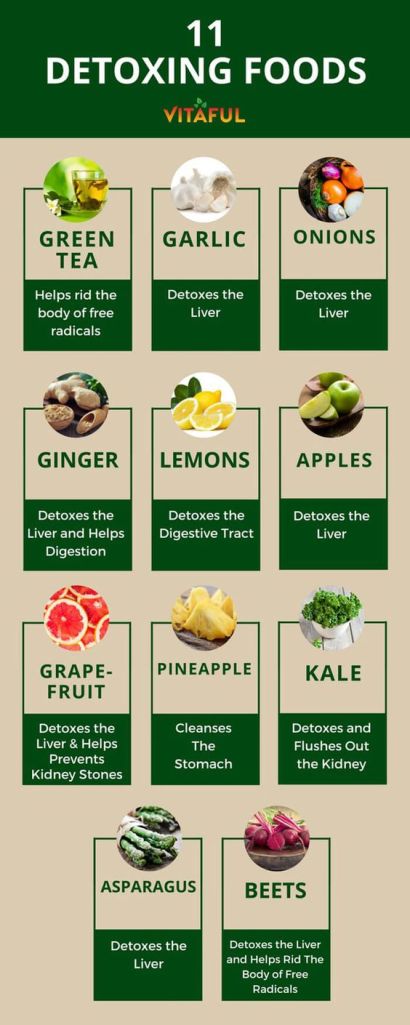
Infographic courtesy of The Idea Room

Anyone looking to help flush out the bad stuff out of their bodies needs to read this post. Obviously there are more than 11 detoxifying foods, but these are a good place to start.

  1. Green tea: Green tea contains antioxidants, which help fight the free radicals in your bloodstream that are responsible for some of the effects of aging, as well as being linked to certain kinds of cancer and heart disease. It also seems to amplify other detoxification methods.
  2. Garlic: Garlic contains high amounts of vitamin C, which supports your immune system and your liver. It’s loaded with sulfur, a mineral that helps rid the body of toxins. Garlic has also been shown to reduce cholesterol and triglyceride levels and has been used in the treatment of high blood pressure and other illnesses. Keep in mind, heating destroys many of the beneficial properties of garlic. If you can’t stomach raw garlic, you can find it in capsule form in most grocery or health food stores.
  3. Onions: Onions have antihistamine effects due to quercetin, an antioxidant that acts like an antihistamine and an anti-inflammatory agent. Onions can also help reduce cancer risk when combined with turmeric. The essential oil of an onion lowers blood sugar levels by increasing the amount of free insulin that is available. Onions are involved in maintaining good blood pressure, inhibit hardening of the arteries, and keep the arteries elastic. And while this doesn’t sound appetizing, chewing a raw onion can strengthen teeth and eliminate bacteria that can lead to tooth decay.
  4. Ginger: Ginger is thought to cleanse the body by stimulating digestion, circulation, and sweating. Its digestive actions may serve to cleanse the build-up of waste and toxins in the colon, liver, and other organs.
  5. Lemons: Lemons are loaded with healthy benefits, and particularly, they’re a great vitamin C food source. Lemon juice also offers up a healthy serving of potassium, magnesium and copper. Because lemon juice’s atomic structure is similar to the digestive juices found in the stomach, it tricks the liver into producing bile, which helps keep food moving through your body and gastrointestinal tract smoothly. Lemon water also helps relieve indigestion or ease an upset stomach.
  6. Apples: The soluble fiber in apples, pectin, helps prevent plaque buildup in blood vessels while the insoluble fiber, cellulose, helps the digestive system move waste quickly through the intestinal tract by adding bulk. Apples are rich in calcium, iron, phosphorus and potassium, as well as B-complex folates and vitamins A and C.
  7. Grapefruit: Grapefruit contains high amounts of vitamins A and C (are you sensing a pattern here?). The red and pink varieties are especially packed with bioflavonoids and provide you with an extra immunity boost. It can also be used to help treat brain disorders like Alzheimer’s and Parkinson’s diseases.
  8. Pineapple: In addition to being a diuretic and detoxifying fruit, pineapple is characterized by its content of vitamin C, B1, B6, folic acid, and minerals such as sodium, potassium, calcium, magnesium, manganese and iron. A large part of the composition of pineapple is water and it also has an important amount of fiber.
  9. Kale: Kale is high in fiber and iron, as well as vitamin K and a bunch of powerful antioxidants. It’s also noted for its anti-inflammatory properties, and helps lower cholesterol. Lastly, like many of the other foods here, is high in vitamins A and C.
  10. Asparagus: Asparagus is a very good source of fiber, folate, vitamins A, C, E and K, as well as chromium, a trace mineral that enhances the ability of insulin to transport glucose from the bloodstream into cells. It can even help fight cancer, since it’s packed with antioxidants. Like leafy greens, asparagus delivers folate, which works with vitamin B12—found in fish, poultry, meat and dairy—to help prevent cognitive impairment.
  11. Beets: Beets contain a group of phytonutrients called betalains that support detoxification through an important phase 2 detox step in the liver. Additionally, beet greens are strongly anti-inflammatory, and have been shown to be much more powerful than almonds and carrots in that capacity. Beets are high in calcium and vitamin K, and are the best plant source for betaine, a compound which lowers C-reactive protein levels, a marker of heart disease and chronic inflammation.

In a series of future posts, I’ll give you all some recipes using these foods. Good luck, and happy detoxifying!

42117_24

MY LIFE: 5 things I do when I just can’t…

MY LIFE: 5 things I do when I just can’t…

14602770711_63711dae35_z

Courtesy Creative Commons

We all have days where at some point we throw up our hands and just mumble (or scream) “I just can’t…”. We’re not being dramatic – those of us who battle chronic pain and illness are already so much behind the eight-ball that even everyday stressors can have a big impact. When we have a day where everything goes wrong, sometimes it seems easier to just give up. But there are things we can do. Here are five of my coping methods:

  1. Get away from other people: When I’m in this mindset, I am not good company. I yell at my child (though sometimes, like today, she deserves it), I snap at telemarketers who are unlucky enough that I actually picked up the phone, and generally I am a cranky, um, witch. So I afford myself a strategic retreat.
  2. Eat or drink something, anything: I know sometimes when I have a bad day, food and drink just do not sound appealing. But I need to eat. We all do. So at times like this I search for something I can handle, even if it’s not good for me. Eating something unhealthy is better than not eating at all, at least in my opinion.
  3. Find a distraction: Right now I’m watching Foyle’s War, a 9-season British TV show (only 3-5 episodes per season, but they’re each like 90 minutes long) set during WWII and just after. I like historical stuff, and I love British TV shows. After that I might go back to documentaries. Love those too and I have a bunch lined up in my various queues.
  4. Do something relaxing: Put on your Himalayan salt lamp, essential oil diffuser, run a bath, use your markers to color, or whatever else serves to relax you. Hell, do all of them. I do!
  5. Spend some “stupid time”: Do you like watching cat videos? Endless fanvids from your favorite TV shows? Doesn’t matter what it is, if you laugh or your mood lifts, these things have done their jobs.

What things do you do to fix a crappy day?

42362_7