GO NATURAL: 5 chemicals to avoid at home, part 3

GO NATURAL: 5 chemicals to avoid at home, part 3
images

Sources for this post:

http://www.motherearthliving.com/Health-and-Wellness/10-dangerous-chemicals-to-ban-from-your-home
http://www.prevention.com/health/healthy-living/top-12-endocrine-disrupting-chemicals-in-your-home
http://www.rodalesorganiclife.com/home/banish-these-12-household-toxins-from-your-house%3Fslide%3D1
http://www.parents.com/health/injuries/safety/harmful-chemicals-to-avoid/
http://www.womansday.com/health-fitness/wellness/g2203/why-some-chemicals-may-be-just-as-harmful-as-the-toxics-they-replace/

Link to part 1: https://chronicillnesswarriorsite.com/2016/11/22/go-natural-5-chemicals-to-avoid-at-home-part-1/
Link to part 2: https://chronicillnesswarriorsite.com/2016/11/29/go-natural-5-chemicals-to-avoid-at-home-part-2/

Radon

Radon is a natural, odorless radioactive gas that can seep into homes from the ground. Radon is the second leading cause of lung cancer (and the leading cause for nonsmokers) and can be detected with a test kit. Test for radon with one of these kits, then call in a radon remediation contractor if the levels are too high—4 picocuries per liter (pCi/L) or higher. Levels between 2 pCi/L and 4 pCi/L can still pose a risk and in many cases can be reduced; consult a specialist.

Atrazine

Most of the research on atrazine’s hormone-mimicking effects has been conducted in fish and frogs. Like a freaky science-fiction plot, the chemical causes male fish and frogs to turn into females. Research into humans, however, has shown that the pesticide increases the activity of genes that cause infertility.

Atrazine is the second most widely used herbicide in the United States (behind glyphosate, the active ingredient in Roundup), according to the Environmental Protection Agency (EPA), and 86% of it is applied to corn.

To avoid it, go organic! Organic farmers are prohibited from using toxic synthetic herbicides like atrazine. And eat less meat. Despite corn’s reputation as serving as the building block for numerous processed-food ingredients, 80% of U.S.-grown corn is sold both domestically and internationally as animal feed, according to the National Corn Growers Association, so the herbicide is present in their meat after the animals are slaughtered.

Roundup Ready Food

Roundup, the most widely used herbicide in the country, is sprayed on everything from cotton to canola, lawns to golf courses. So it stands to reason that the stuff winds up in our air and water. But when you’re eating “Roundup Ready” food, as in, food that’s been genetically modified to withstand all those Roundup applications, you’re eating it too, according to plant pathologist Don Huber, PhD, professor emeritus at Purdue University. That’s problematic because scientists are learning that Roundup affects defensive enzymes our bodies use to keep us healthy. Roundup also reduces a plant’s ability to take up vital micronutrients that humans require for survival.

Corn, soy, and canola are common crops that have been genetically engineered to withstand heavy dousings of Roundup (or other glyphosate-containing chemicals), and foods containing these ingredients tend to contain higher levels of Roundup than other crops do. To avoid genetically engineered (GE) foods and Roundup in your food, buy organic.

VOCs

Nasty indoor air-polluting culprits, volatile organic compounds, or VOCs, could be trashing your indoor air, especially in the kitchen, the basement, or even the laundry room. (Scented, petroleum-based laundry detergents contain high levels of VOCs.) These hazardous chemicals are linked to asthma and, in some instances, even cancer, and they add to indoor air pollution. Pressed wood and particleboard cabinets and other furniture are big emitters of the VOC (and carcinogen) formaldehyde in the home, too.

Instead, choose unscented, plant-based detergents, or go old-school and use castile soap or washing soda and borax to clean your clothing. For new paint projects, choose readily available no-VOC paint, and avoid storing paint in your garage or basement–fumes can escape even tightly closed lids and enter your home. Avoid plywood and particleboard when buying new household furnishings, and keep VOCs contained by sealing any plywood or particleboard furniture with a product like AFM Safecoat Safe Seal.

Dry-Cleaning Chemicals

Sure, it’s convenient to drop your clothing off with a dry cleaner, but the cleaning chemical of choice in this country remains perchloroethylene, also known as PCE, or perc. This chemical is classified a probable carcinogen and is linked to kidney, liver, and central nervous system damage. It’s not something you want to wear or have holed up in your home closet. Although many states and cities are phasing out perc, it’s still among the most widely used dry-cleaning chemicals.

You can work around “Dry Clean Only” instructions on clothing tags. You just need to know how to treat different types of fabric. Read Dry Clean Only? Nah, There Are Cheaper, Safer Ways for instructions on cleaning delicates like wool, rayon, and silk.

120706_google_728x90_ml

RECIPE: Best window cleaner ever – and all natural!

RECIPE: Best window cleaner ever – and all natural!


essential-oil-cleaning-recipes-pin

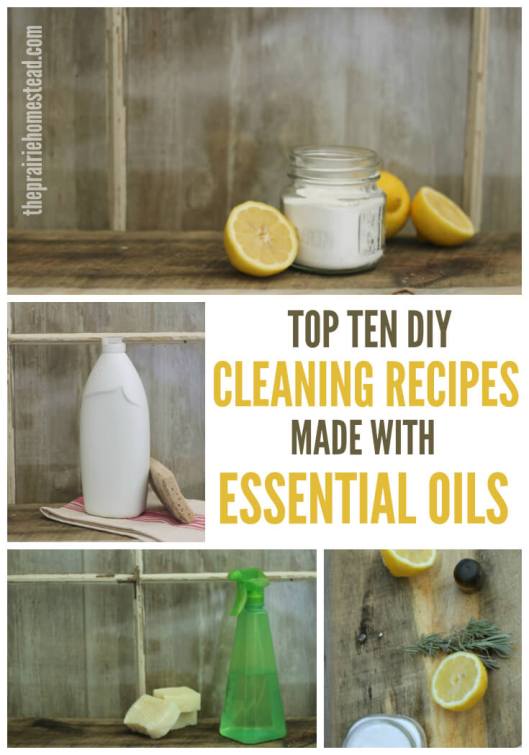
I know the graphic says 10 recipes, but I’m only featuring one here. For the rest, check out the link below.

People have privately asked me some questions about DIY cleaning products, so I found this great resource with many of the answers all in one convenient place! I went through the answers and only left the information I agreed with.

DIY CLEANING RECIPE FAQS:

Q: What if I don’t have a certain oil called for in one of the recipes?

A: You can absolutely swap out oils or substitute your favorite. Some of the most powerful essential oils for cleaning are lemon, lime, wild orange, thyme, peppermint, lavender, eucalyptus, melaleuca (tea tree), rosemary, and cinnamon. Mix and match as you wish.

Q: Do I have to use glass bottles for my mixes?

A: It’s a widely known fact that essential oils can degrade plastic. For this reason, it is generally recommended to only store oils in glass, and I always follow that rule if I plan to use the oil mixture on my skin or in a food recipe. However, I’ve never had a problem mixing/storing my cleaning recipes in regular plastic spray bottles for two reasons: #1: The mixtures are usually quite diluted, and #2: I will not be ingesting the mixture or applying it to my body.

Q: Why can’t I use castile soap in some of these recipes?

A: If the recipe calls for vinegar, you’ll want to avoid adding castile soap to the mix, as the two substances will react and form a gloppy, slimy mess.

Q: Which essential oils do you use?

A: There are new essential oil companies popping up everyday, but I’ve used doTERRA essential oils for four years now, and I’ll never go anywhere else. The oils are third-party tested for purity, ethically sourced around the globe. I believe in this company wholeheartedly, and I’ve been sharing doTERRA oils with people non-stop since I started using them. I’m happy to personally help you get these oils in your home, too.

Q: Are there any essential oil blends suited to cleaning?

A: Yes. Two of the doTERRA essential oil blends I use the most for cleaning are On Guard® and Purify®. They both have powerful cleansing properties and I often mix them into my DIY recipes.


FRESH MINT WINDOW & MIRROR CLEANER

  • 3 cups distilled water
  • 1/4 cup rubbing alcohol or vodka (be sure to use cheap vodka, of course)
  • 1/4 cup vinegar
  • 20 drops peppermint or spearmint essential oil

Combine all ingredients in a quart-sized spray bottle. Shake to combine, then spray on mirrors, windows, or stainless steel. Wipe off with paper towels or old newspaper for streak-free shine.

honest-company

GO NATURAL: 5 chemicals to avoid at home, part 2

GO NATURAL: 5 chemicals to avoid at home, part 2

images

Sources for this post:

http://www.motherearthliving.com/Health-and-Wellness/10-dangerous-chemicals-to-ban-from-your-home
http://www.prevention.com/health/healthy-living/top-12-endocrine-disrupting-chemicals-in-your-home
http://www.rodalesorganiclife.com/home/banish-these-12-household-toxins-from-your-house%3Fslide%3D1
http://www.parents.com/health/injuries/safety/harmful-chemicals-to-avoid/
http://www.womansday.com/health-fitness/wellness/g2203/why-some-chemicals-may-be-just-as-harmful-as-the-toxics-they-replace/

Link to part 1: https://chronicillnesswarriorsite.com/2016/11/22/go-natural-5-chemicals-to-avoid-at-home-part-1/

Chlorine 

Used as a disinfectant in municipal water systems, chlorine is toxic, even at low concentrations. Studies link chlorine exposure through ingestion and showering with an increased risk of heart disease, allergic reactions and miscarriages, as well as increased rates of bladder, colon and rectal cancers. Chlorine irritates the eyes, nose and throat.

To minimize: You can filter chlorine with a whole-house filter or with a chlorine-filtering showerhead and a granular-activated charcoal drinking water filter. Avoid swimming in chlorinated water.

Dioxins

Dioxins and dioxinlike compounds like PCBs and the pesticide DDT are known to cause cancer, but they’re also considered one of the most toxic classes of chemicals known to man. Among their hormone-related effects: decreased fertility, diabetes, endometriosis, immune system problems, lowered testosterone levels, miscarriages, and reduced sperm counts and quality.

Municipal waste incineration produces large quantities, but chemical bleaching of paper and wood pulp accounts for huge quantities in the air and water. Dioxins build up in the fatty tissues of animals and are very widespread in the food supply.

The easiest way to avoid them is to reduce your consumption of fatty meat and dairy products.

Nonstick Cookware + Bakeware

Is the convenience of nonstick worth it?. That slick, shiny, enticingly nonstick surface is made from a synthetic material known as perfluoroalkyl acid, a class of chemicals that have been linked to ADHD, high cholesterol, and thyroid disease. They’re also potent sperm killers and are suspected of contributing to female infertility.

Opt for safer cookware like made-in-America cast iron, glass or stainless steel. If you already cook with nonstick pots and pans, replace them with safer choices when you start seeing scratches and chips in the finish.

Flame Retardants

A type of flame retardant called polybrominated diphenyl ethers (PBDEs) is particularly worrisome. Exposure to even small doses at critical points in development can damage reproductive systems and affect motor skills, learning, memory, and hearing. Flame retardants are nearly ubiquitous in upholstered furniture, including couches, pillows, mattresses, and carpet padding. Because the chemicals are not bonded to the foam, they can be released easily in dust as the furniture ages. PBDEs are most likely to be found in polyurethane foam products manufactured before 2005. They are also present in some electronics, though they were no longer in use starting in 2014.

To avoid exposure, do not let babies and toddlers put electronics like remotes or mobile phones in their mouths. Replace furniture and pillows if the foam is old and breaking down or if the fabric is torn beyond repair. Use a vacuum with a HEPA filter and/or run HEPA air filters in rooms. Throw out older items such as car seats and mattress pads whose foam is not completely encased in a protective fabric.

Lead

Lead poisoning can cause nervous system damage, stunted growth, kidney damage, and delayed development. Lead was a common additive to paint prior to 1978, when federal law banned its use in household paint. At the same time, the use of lead was banned in products marketed to children. It can still be found in older houses and in some imported toys, jewelry and even candy.

To avoid your exposure, if you live in a home that was built before 1978, be sure all paint is in good repair, and frequently mop floors and wipe surfaces with a damp cloth. If you have an older home, use a lead-safe certified contractor if renovating and stay away while renovations take place. Also, avoid painted or metal toys made before 1978, and avoid imported toys and children’s jewelry, as many countries have not banned the use of lead in toys. Do not buy candy made in Mexico.


35610_10000208

GO NATURAL: Eco-friendly alternatives to using gift wrap

GO NATURAL: Eco-friendly alternatives to using gift wrap

n-comics-628x314Photo courtesy of Becca Armstrong

Tons of gift wrap ends up in landfills every year. It’s unnecessary, especially when better alternatives exist. Here are a whole bunch of them to consider this holiday season:

  1. Cloth bags: We all have bags sitting around the house. If you’re like me, you can’t throw away pretty things, and this is a great re-use of them. These bags are available for purchase and you can use them over and over. They’re even waterproof and washable, and much sturdier than standard gift bags.
  2. Decorated grocery bags: Like cloth bags, sturdy grocery bags can also be used for gifts. If you don’t want to give a plain bag or need to cover the store name, tons of items can do the job. Old sheet music, pieces of wallpaper, leftover stationary are all good ideas. You can also cut up the bag and decorate it if you need to actually wrap something. These are also available in bulk and are usually cheaper than buying gift wrap.
  3. Printer paper: Who doesn’t have regular old printer paper? Find a cool design and print it on the paper. Use a stamp. Let your kids draw on it. Look up customized word search tools (many free ones are widely available).
  4. Newspaper: Every newspaper I know of has comics in it, and oftentimes they’re in color. What’s cooler than getting a present you can read later?
  5. Scarf or other clothing: Cut up a piece of clothing that’s too small or you simply don’t wear anymore. Just be sure you don’t give this wrapping to the person who gifted you the clothes! Try Goodwill or another thrift store to find a source of cheap clothing if you don’t want to cut your own up.
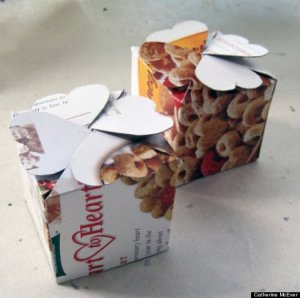
  6. Cereal boxes: Here’s a printable template from Huffington Post you can use to turn your empty cereal boxes into awesome wrapping.
  7. Food storage containers: Whether you use glass or plastic, these are an especially fun idea for homemade gifts. Why use glass? Because you’re not putting more plastic into the world. I wouldn’t have included the plastic alternative but most of us re-use these containers over and over so the environmental impact decreases.
  8. Mason jars: These are another thing sitting around the house. Give them an environmentally friendly second life as wrapping paper! If you need to buy some, for homemade cookie mixes and the like, you can get pint and quart size jars.
  9. Toilet paper rolls: Have a tiny gift? Use an empty toilet paper roll, folded. Instructions are here.
  10. Baskets: If you don’t have some of these cluttering up your basement, bravo! You can also go to any thrift shop or yard sale and pick them up for a song. I do that when I go to garage sales and then donate them to my daughter’s school to use for basket auctions.
  11. Mismatched pillow cases: Yet another thing many of us are loathe to part with. But using them as gift wrap is a great solution.

o-cereal-box-gift-wrap-570Photo courtesy of Catherine McEver

40645_135

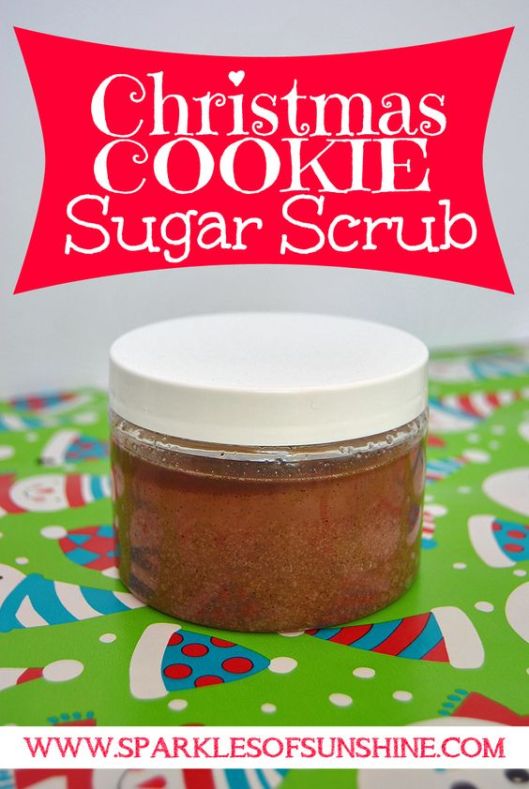
RECIPE: Christmas Cookie Sugar Scrub

RECIPE: Christmas Cookie Sugar Scrub

christmas-cookie-scrub

NOTE: I originally found this recipe on http://www.sparklesofsunshine.com/christmas-cookie-sugar-scrub/

Here is what you will need for this sugar scrub recipe:

This scrub is so easy to make because all you have to do is stir up the ingredients, pour into an airtight container, dress it up with some pretty ribbon and you’re done.

42099_35

GO NATURAL: 5 chemicals to avoid at home, part 1

GO NATURAL: 5 chemicals to avoid at home, part 1

images

Sources for this post:

http://www.motherearthliving.com/Health-and-Wellness/10-dangerous-chemicals-to-ban-from-your-home
http://www.prevention.com/health/healthy-living/top-12-endocrine-disrupting-chemicals-in-your-home
http://www.rodalesorganiclife.com/home/banish-these-12-household-toxins-from-your-house%3Fslide%3D1
http://www.parents.com/health/injuries/safety/harmful-chemicals-to-avoid/
http://www.womansday.com/health-fitness/wellness/g2203/why-some-chemicals-may-be-just-as-harmful-as-the-toxics-they-replace/

Phthalates

Phthalates are endocrine-disrupting chemicals used to make #3 plastic (PVC or vinyl) flexible. PVC leaches phthalates when it’s heated or worn down. Phthalates are found in personal-care products and detergents, often labeled as “fragrance.” Phthalate exposure has been linked to early puberty in girls, a risk factor for later breast cancer.

To minimize: Never microwave plastic containers. Store food in glass or metal containers. Avoid vinyl flooring, shower curtains, PVC pipes, and products with “fragrance.”

Bisphenol A, or BPA

Perhaps the most widely studied endocrine disruptor on the market, BPA actually started out in the 1930s as a synthetic estrogen given to women. So it’s no surprise that this hormonal chemical has been found to act like estrogen, with current exposure levels leading to things like decreased sperm production in men, early puberty in girls, and fertility problems in both genders, or that animal studies have linked it to greater chances of miscarriage. BPA also interferes with metabolic hormones and plays a role in heart disease, obesity, and diabetes.

BPA is found in the linings of food cans, and it’s used as a coating on receipts. The chemical is still used in some plastic products and as a flame retardant, as well, but thanks to the lack of laws requiring companies to disclose how BPA is being used, it’s impossible to know all the places where the nearly 3 billion pounds of the chemical produced each year wind up.

Opt for fresh, frozen, or homemade versions of your favorite canned foods. You can also limit additional exposures by rejecting unnecessary receipts when shopping.

Synthetic Pesticides

Chemical weed, fungus, and bug killers all fit under this category and should be avoided both inside and outside of your house. Researchers have linked these pesticides to various forms of cancer, including non-Hodgkin’s lymphoma; insecticides have been connected to brain damage in kids. “This is a good time of the year to resolve not to use pesticides on lawns and gardens,” says Phil Landrigan, MD, director of Mount Sinai’s Children’s Environmental Health Center. “A few dandelions or buttercups or other little flowers in the middle of the lawn are not unsightly.”

Mercury

Exposure to mercury impairs neurological development, and recent research has linked high levels of mercury to ADHD. Because neural development happens rapidly in pregnancy and early childhood, it is important to eliminate exposure where possible. Mercury enters the environment through air pollution and industrial waste. When mercury enters water, fish absorb it through their gills. For people, the primary exposure to mercury is from consuming shellfish and large, older, and predatory fish, which accumulate higher concentrations of mercury in their flesh. Older thermometers also contain mercury.

Eliminate large fish such as swordfish, shark, king mackerel, and tilefish from your family’s diet. The American Pregnancy Association has a complete guide (americanpregnancy.org/pregnancyhealth/fishmercury.htm). Children, pregnant women, and women trying to conceive can have different amounts of tuna, depending on their weight. It’s safe to eat other kind of fish, which are still a healthy source of protein and essential nutrients. “The omega-3-fatty acids in some fish can offset some of the mercury issues,” Lunder says. Check advisories before consuming shellfish and seafood if you are unsure about their mercury content. If you have mercury-filled glass thermometers, replace them with newer models that do not contain mercury.

Hand Sanitizer

The antimicrobial compound triclosan, widely used to kill germs for decades, is an ingredient in everything from hand sanitizers to toothpaste. But triclosan has been linked to hormone problems including infertility and early puberty, and it causes liver cancer in mice. Despite the fact that triclosan is no better than soap and water for removing germs, manufacturers are phasing triclosan out, only to add in benzalkonium chloride, another antibacterial chemical. Benzalkonium chloride and related quaternary ammonia compounds, known as quats, are respiratory irritants that exacerbate asthma.

Avoid antibacterial products. Unless you are prepping an operating room, they are, um, overkill. Use soap and water instead. If you like having a hand sanitizer when you are on the go, look for one powered by ethyl alcohol.

citrus-apples-pears-728x90

DISEASE MANAGEMENT: Chronic Illness Gift Guide, part 4

DISEASE MANAGEMENT: Chronic Illness Gift Guide, part 4

I’ve been writing some posts over the past week about things you can give to your loved one battling chronic illness. One post would be quite long, which is why I’m splitting it up. Here’s part 1. And part 2. And part 3. If you have any suggestions, feel free to leave a comment and I’ll research the idea.

These are products and services that relate directly to helping manage chronic pain and illness. They have been hand-picked with exactly that in mind.

  1. Roku 3 Streaming Media Player: $95.99 Like some of the other suggestions in this gift guide, this product is mainly for pain distraction. That Netflix gift card will be a lot easier to use with a Roku. 😉 Roku has tons of other streaming channels available, too. People with chronic pain sometimes can’t do more than lie in bed, so having an outlet for distraction is a great thing. And we spend so much money on meds, etc that not having to buy something expensive like a Roku would lift a weight.
  2. Compression socks: $18.99 These aren’t the same socks I own, but I wish I’d gotten these rather than the ones I purchased. Mine are pretty obviously compression socks, while these are just cool-looking socks. They are highly rated by users, and considering you get your choice of 16 different patterns, this seems like a great product for anyone looking for better circulation, which is a common problem amongst chronic pain and illness sufferers.
  3. Body pillow: $49.99 Chronic pain sufferers need sleep more than almost anyone else, and yet the aches and stiffness we deal with every day make solid sleep more difficult. We try everything we can think of to improve the quantity and quality of our sleep, and a body pillow is a pretty popular item for us to own. However, many of us can’t afford a really good pillow like this one. I think we’d all enjoy receiving one of these as a gift.
  4. Titanium Stainless Steel Heart Magnetic Therapy Bracelet: $16.95 I looked around for a long time before choosing this bracelet. Various benefits of wearing these bracelets include renewal of balance and strength, reduction of fatigue and muscle tension, increased flexibility, improved blood circulation, enhanced metabolism and detox of your body. These claims are mostly unsubstantiated, and many don’t believe they do anything, but this bracelet is so pretty that even if it doesn’t work, it’s a nice piece of jewelry.
  5. Kindle Fire HD 8″ tablet: $104.99 Many of us have some sort of ereader or tablet, but they don’t last forever. Especially with heavy use, like using the internet etc in addition to reading, these are prone to failure. Unfortunately, oftentimes when that happens we can’t afford to replace the item. If you know someone with chronic pain who is in this situation, buying them the replacement would make you very popular.

Go here for part 1 of the guide, and here for part 2. Check here for part 3. Stay tuned for the next installment! Let me know if you have any suggestions for additions!

40645_112


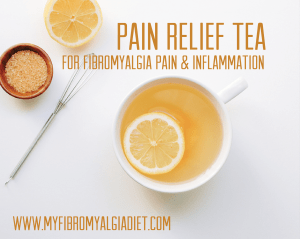
RECIPE: Pain Relief Tea

Pain Relief Tea

Source: http://www.myfibromyalgiadiet.com/2014/12/26/pain-relief-tea-fibromyalgia-pain-inflammation/

Serves 4

Vegan – Gluten Free – Grain Free – Detox – Paleo

pain-relief-tea-for-fibromyalgia-300x239

Active ingredients:

Turmeric–  Is a natural anti-inflammatory due to its content of curcumin (this gives turmeric its famous orange color). In numerous studies, curcumin’s anti-inflammatory effects have been shown to be comparable to the potent drugs hydrocortisone and phenylbutazone as well as over-the-counter anti-inflammatory agents such as Motrin. Unlike the drugs, which are associated with significant toxic effects (ulcer formation, decreased white blood cell count, intestinal bleeding), curcumin produces no toxicity.*  Turmeric may also benefit your digestive system by stimulating your gall bladder to make bile, speeding breakdown of dietary fats.*

Ginger– Modern scientific research has revealed that ginger possesses numerous therapeutic properties including antioxidant effects, an ability to inhibit formation of inflammatory compounds, and direct anti-inflammatory effects. Ginger has also been shown to aid in gastrointestinal issues and very effective in aiding the symptoms of nausea, motion sickness, and sea sickness. *

Cayenne – Gets its heat from large concentrations of a substance called capsaicin. Capsaicin has been widely studied for its pain-reducing effects, its cardiovascular benefits, and its ability to help prevent ulcers. Capsaicin also effectively opens and drains congested nasal passages.

Lemon– An excellent source of vitamin C which not only helps strength the immune system but it also neutralizes free radicals in the body. Free radicals can interact with the healthy cells of the body, damaging them and their membranes, and cause a lot of inflammation, or painful swelling, in the body.*

Black pepper– Due to its analgesic (pain relieving), anti-inflammatory, and anti-spasmodic properties black pepper has been shown to aid with poor muscle tone, arthritis, muscle and/or nerve pain. The oils in the black pepper has these properties which is why I strongly suggest you use freshly ground or buy black pepper essential oil. 

Both ginger and turmeric are generally considered safe and without significant side effects, and both are available as capsules from health-food stores. However, each may interact with certain prescription medications, and neither should be taken if you are pregnant. Always check with your physician if you ever have any concerns about adding a new food or supplement. 

Ingredients

  1. 40 oz filtered clean water (about 5 cups)
  2. 4 – 1” coins of ginger (or use 1 Tbl powdered ginger)
  3. 1 Tbl + 1 tsp Powdered Turmeric (organic high quality if you can)
  4. 10 turns Freshly Ground Black Pepper
  5. 1/4 tsp Cayenne Pepper
  6. 1 Lemon
  7. 1-2 Tbl Maple Syrup or Raw Honey to taste (see note)

Instructions

    1. Pour the water into a large sauce pan.
    2. Squeeze the lemon into the water and place the squeezed lemons into the pan too.
    3. Add the remaining ingredients and warm over medium heat until it comes to a boil.
    4. Whisk to combine the spices.
    5. Remove from the heat. (This can be left overnight to infuse further with the ginger too)
    6. Strain into mugs and stir in raw honey or maple syrup to taste.
    7. Keep stirring while drinking this because the spices will settle to the bottom.

You can also stir the spices together and pour hot water over while whisking for a quicker version without the ginger. (see notes below)

Adding raw local honey will make this a great immunity boosting drink. Feel free to add your sweetener of choice according to your taste.

If you need a quick single serving
  1. Mix 1 heaping tsp of turmeric, pinch of cayenne, three turns of black pepper, 1/2 tsp powdered ginger (optional but recommended) and pour hot water over while whisking to combine. Squeeze half of a lemon and drink immediately

Sources/References


39221_104

DISEASE MANAGEMENT: Chronic Illness Gift Guide, part 3

DISEASE MANAGEMENT: Chronic Illness Gift Guide, part 3

I’ll be writing some posts over the next few weeks about things you can give to your loved one battling chronic illness. One post would be quite long, which is why I’m splitting it up. Here’s part 1. And part 2. If you have any suggestions, feel free to leave a comment and I’ll research the idea.

These are products and services that relate directly to helping manage chronic pain and illness. They have been hand-picked with exactly that in mind.

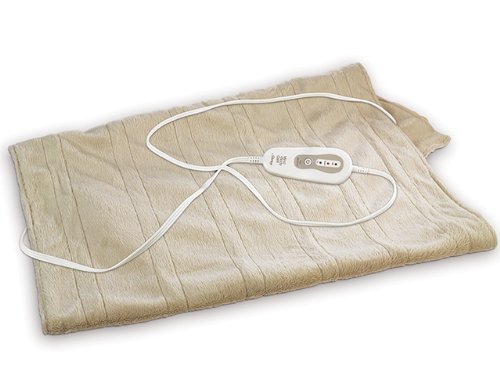
  1. Sunbeam Large Heating Pad: $33.14 I am using this heating pad right now as I work. I use it every day. It’s larger than any other heating pad I’ve owned, and has more settings. I’ve been using heating pads for years, and this is, by far, my favorite. Reviews are quite good, too — nearly 6,000 of them. The Sunbeam large heating pad appears to be the mack daddy. I approve.
  2. Himalayan salt lamp: $24.99 I own four salt lamps, but I like this one best. The warm glow of the rocks is especially comforting, and knowing the lamp is cleaning the air around me through emitting negative ions makes me happy. Negative ions reduce the effects of: dust, bacteria, pet dander, radiation, odor, insomnia, allergies, sinus, depression, migraines, anxiety, fatigue, colds, ADHD, and asthma. There are many, many different Himalayan salt lamps on the market, some of which are not genuine, but this is.
  3. 120 marker set: $14.99 Here’s a more fun product for us! These are washable markers with a fine tip. Like many markers, these do bleed through, so keep that in mind if you’re using them for adult coloring books. Most of the reviews for these are good. I own them, and after coloring lots of pages, they’re finally starting to wear out. Overall I think they’re a good value for the price.
  4. Creatively Calm Studios adult coloring books set – animal, scenery, and mandala designs: $19.97 Related to the last item…these three books have 120 designs to color. I don’t own this product, but it’s on my wish list. It says there are designs from beginner to advanced, and the reviews are excellent. I tend to go through coloring books pretty quickly, and having three to choose from would be great!
  5. EZOff Jar Opener: $14.95 This product gets great reviews. It might not be as fun as some of the other products, and doesn’t seem to be a big deal to many people, but those of us with hand and arm pain find a product like this to be a lifesaver. Oftentimes we’re trapped in our houses and have to cook for ourselves. A seemingly simple task like opening a jar can be very difficult for people with rheumatoid arthritis and other chronic conditions.

Go here for part 1 of the guide, and here for part 2. Stay tuned for the next installment! Let me know if you have any suggestions for additions!

41074_43

DISEASE MANAGEMENT: Chronic Illness Guide, part 2

DISEASE MANAGEMENT: Chronic Illness Guide, part 2

I’ll be writing some posts over the next few weeks about things you can give to your loved one battling chronic illness. One post would be quite long, which is why I’m splitting it up. Here’s part 1. If you have any suggestions, feel free to leave a comment and I’ll research the idea.

These are products and services that relate directly to helping manage chronic pain and illness. They have been hand-picked with exactly that in mind.

  1. Spoonk Acupressure Set: $39.99 This is a product one of my friends recommended. She said she uses it daily to help relieve the everyday aches and pains associated with chronic illness. The set includes one regular mat with 6200 points, one travel size mat which rolls into a neck massage pillow or can be used flat as a mini Spoonk, and one massage grove ball. The product gets tons of great reviews. Definitely worth checking out.
  2. Mind and Body Electric Spa Wrap: $29.88 Another product recommended by a friend. This heating pad on steroids is 3.5 times larger than the conventional heating pad. Its large size wraps around multiple parts of the body and was designed to relieve muscle pain, stress and tension. There are three heat settings and an automatic two-hour shutoff mechanism. The reviews are pretty good, though there are some customers who felt the pad was more of an electric towel. I guess it all depends on what your goals are. 41zzpbfp4gl
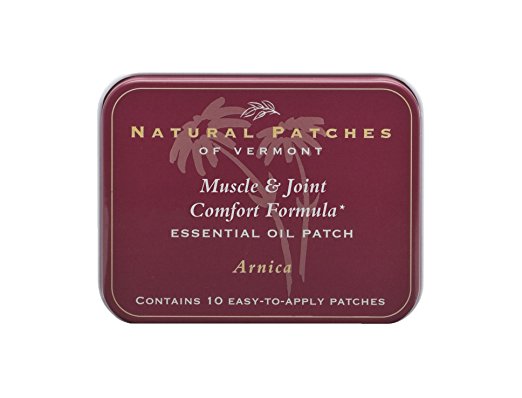
  3. Natural Patches Of Vermont Arnica Relief from Muscle & Joint Comfort Formula Essential Oil Patch, 10-Count Tin: $16.58 These are small patches that adhere to whatever part of the body you apply them to. I’ve tried several different formulations of these, and I like them. The smell lasts for about 12 hours. I wore one overnight and could still smell it in the morning. That’s a positive thing for me, though your view may be different. Arnica, rosemary, lemongrass, and ginger essential oils are all ingredients in this patch. This product also gets pretty favorable reviews. 715i3egrbol-_sx522_
  4. Vecelo mobile laptop desk cart: $31.49 This is a product I use every day as an extension of my bedside stand. It’s difficult for me to reach back to my nightstand, and I have quite a few items I need on a regular basis, so the possibility of pinching a nerve is a real thing. The reviews for this aren’t great, but for what I use it for, it works quite well.
  5. Netflix gift card: $any amount! One of the ways many of us distract ourselves from pain is by watching TV and movies. And we have so many expenses, it’s nice to know one is taken care of. This also applies to buying us anything else, but this is an easy gift that will make a chronic illness sufferer happy.

Go here for part 1 of the guide, and stay tuned for the next installment! Let me know if you have any suggestions for additions!

41094_17